

1. Introduction to Organic Fertilizer Machines
An Organic Fertilizer Machine is specialized equipment designed to process raw organic materials such as animal manure, crop residues, food waste, and other biodegradable substances into nutrient-rich organic fertilizer products. With the global push towards sustainable agriculture, organic fertilizer machines play a crucial role in recycling agricultural waste and reducing dependence on chemical fertilizers.
These machines help farmers and fertilizer manufacturers efficiently convert waste into compost, granules, or powders that improve soil health, enhance crop yield, and promote environmentally friendly farming practices.
Organic fertilizer machines are widely used in poultry farms, livestock farms, organic fertilizer production plants, and agricultural waste recycling industries.
2. What Is an Organic Fertilizer Machine?
Organic fertilizer machines encompass a variety of equipment used throughout the organic fertilizer production process. They typically include:
Composting Equipment: Machines that turn and aerate raw materials to promote decomposition.
Crushing and Grinding Machines: Pulverize raw materials for uniform particle size.
Granulators: Convert composted materials into granules for easy application.
Dryers: Reduce moisture content to improve fertilizer stability and storage.
Screening Machines: Separate finished products from impurities.
Packing Machines: Automate packaging for transportation and sale.
These machines can be combined into a full production line or used individually depending on scale and requirements.
3. Technical Parameters of Organic Fertilizer Machines
Technical specifications vary by machine type and model. Common parameters include:
3.1 Compost Turners
Type: Self-propelled / Groove / Wheel type
Working Width: 1.5 m – 4.0 m
Power: 18.5 kW – 55 kW
Turning Capacity: 800 – 3500 m³/hour
3.2 Crushers and Grinders
Capacity: 1 – 10 tons/hour
Power: 15 kW – 45 kW
Particle Size: Adjustable, typically 3–10 mm
3.3 Granulators
Output: 0.5 – 5 tons/hour
Pellet Diameter: 2 – 6 mm
Power: 18.5 kW – 45 kW
3.4 Dryers
Type: Rotary Drum / Belt
Capacity: 1 – 10 tons/hour
Power: 30 kW – 120 kW
Moisture Reduction: From 60-70% to <15%
3.5 Screening Machines
Screen Diameter: 1000 – 2000 mm
Power: 3 kW – 15 kW
3.6 Packing Machines
Packing Speed: 20 – 60 bags/minute
Bag Capacity: 5 kg – 50 kg
4. Features of Organic Fertilizer Machines
4.1 High Efficiency
Advanced technology enables fast processing with large output capacity.
4.2 Durable and Reliable
Constructed from high-quality materials to resist corrosion and wear.
4.3 Versatility
Capable of processing various organic materials into different fertilizer forms.
4.4 Easy Operation
User-friendly controls and automation minimize labor requirements.
4.5 Environmental Protection
Reduces waste pollution and supports sustainable farming practices.
5. Advantages of Organic Fertilizer Machines
5.1 Waste Recycling
Convert agricultural and animal waste into valuable fertilizer products.
5.2 Cost Savings
Reduce dependence on chemical fertilizers and minimize waste disposal costs.
5.3 Soil Health Improvement
Organic fertilizer enhances soil structure, nutrient content, and microbial activity.
5.4 Increased Crop Yield
Better soil nutrition results in healthier and higher-yielding crops.
5.5 Compliance with Environmental Regulations
Supports eco-friendly farming and waste management policies.
6. Application Scenarios
Poultry and Livestock Farms: Process manure into organic fertilizer.
Organic Fertilizer Production Plants: Produce commercial organic fertilizers.
Agricultural Waste Recycling Facilities: Convert crop residues and food waste.
Horticulture and Greenhouse Operations: Supply organic nutrient sources.
Landscaping and Gardening: Use organic fertilizer for soil amendment.
7. Operating Instructions
7.1 Pre-Operation Preparation
Inspect machine components.
Ensure power supply and lubrication.
Prepare raw materials by removing debris and adjusting moisture.
7.2 Production Process
Compost raw materials using compost turners.
Crush composted material to uniform size.
Granulate crushed material into pellets.
Dry granules to suitable moisture levels.
Screen finished products to remove impurities.
Package for storage or sale.
7.3 Post-Operation Maintenance
Clean machines thoroughly.
Check for wear and tear, replacing parts as needed.
Store in dry, covered locations.
8. Maintenance and Care Tips
Lubricate bearings and moving parts regularly.
Monitor motor temperature and electrical components.
Keep belts and blades sharp and tensioned.
Clean dust and residues to prevent buildup.
Perform regular inspections and servicing.
9. Common Problems and Solutions
Low Pellet Quality | Improper moisture or granulator settings | Adjust moisture, calibrate granulator |
Machine Overheating | Overload or poor ventilation | Reduce load, improve cooling |
Blockages | Debris or excessive moisture | Clean system, dry raw materials |
Uneven Crushing | Worn crusher blades | Replace or sharpen blades |
Packing Machine Jams | Incorrect bag size or material | Adjust settings, use correct bags |
10. Frequently Asked Questions (FAQ)
Q1: What raw materials can be used?
Animal manure, crop residues, food waste, sludge, and other organic wastes.
Q2: Can the machine produce different fertilizer types?
Yes, machines can produce powders, granules, or compost.
Q3: What is the typical production capacity?
From 0.5 to 10 tons per hour depending on the equipment.
Q4: Is the fertilizer machine suitable for small farms?
Yes, there are models suitable for both small and large-scale operations.
Q5: How long does the machine last?
With proper maintenance, machines can operate reliably for 10+ years.
11. Conclusion
Organic fertilizer machines provide an efficient and eco-friendly solution for converting organic waste into valuable fertilizer products. By investing in quality equipment, farms and fertilizer manufacturers can improve sustainability, reduce costs, and enhance crop productivity.
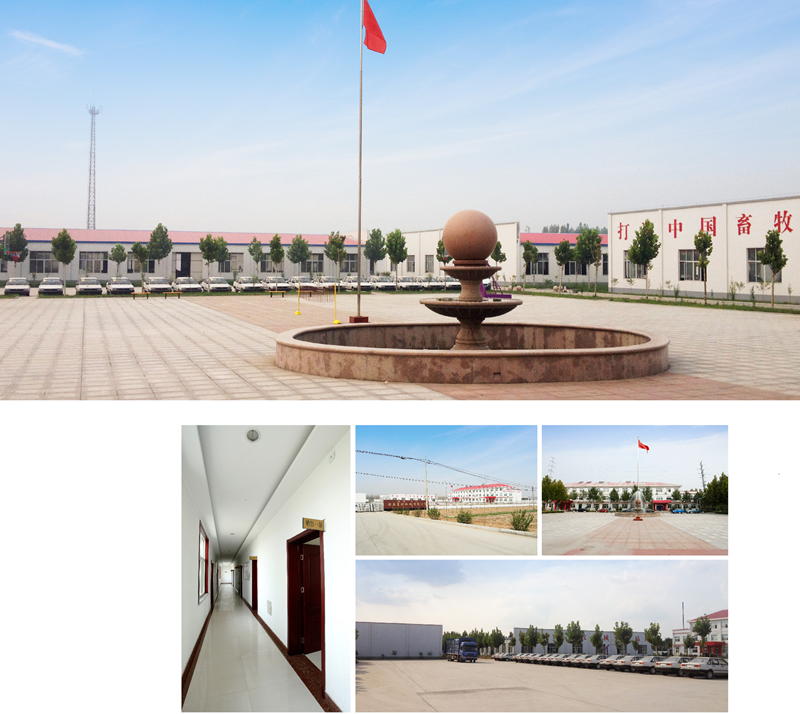
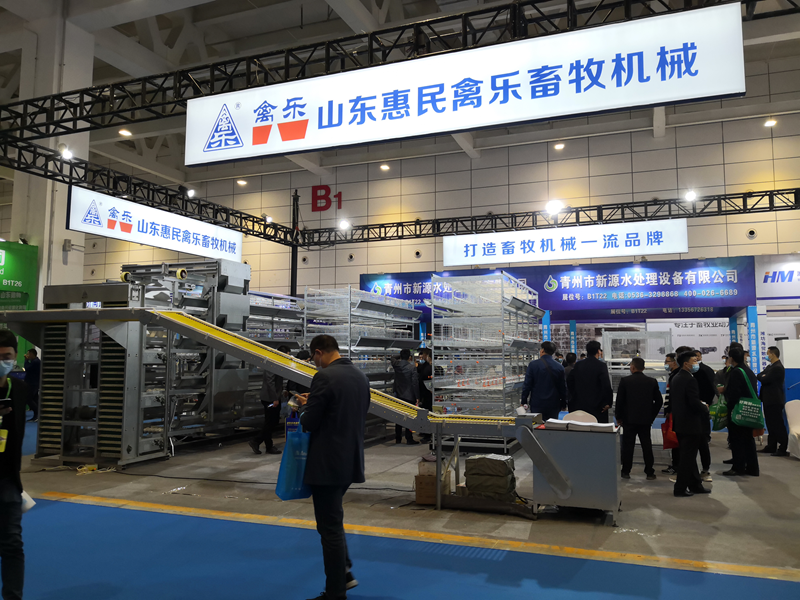
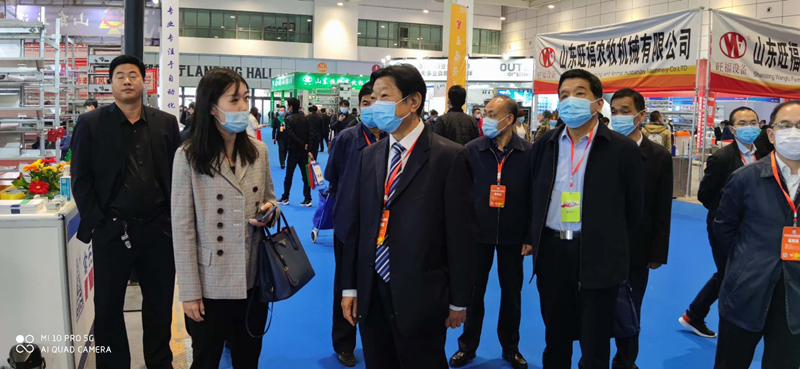
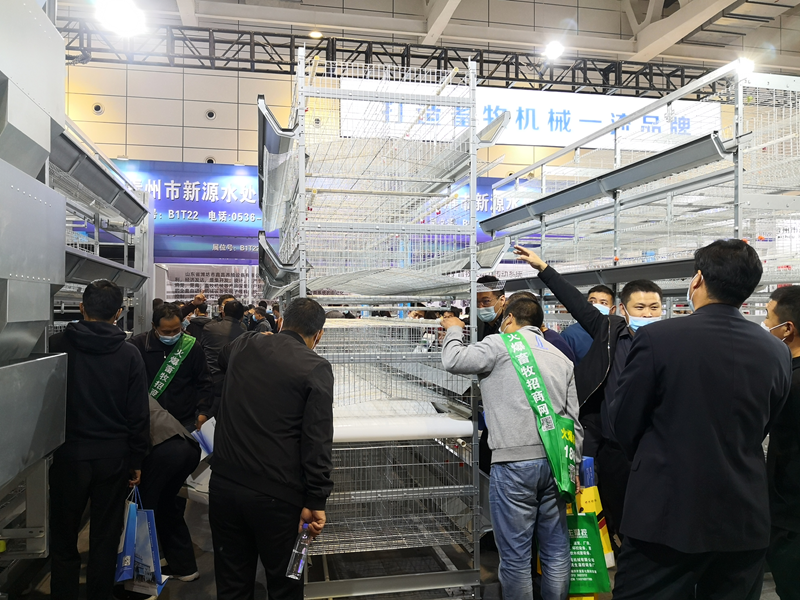
Shandong Huimin Qinle Livestock Machinery Co., Ltd. (formerly Shandong Huimin Qinle Livestock Machinery Factory) is a professional poultry equipment manufacturer with over 20 years of experience. We offer a comprehensive service package, from design (land and chicken coops), production (equipment and prefabricated steel coops), installation, commissioning, customer training, and after-sales service.
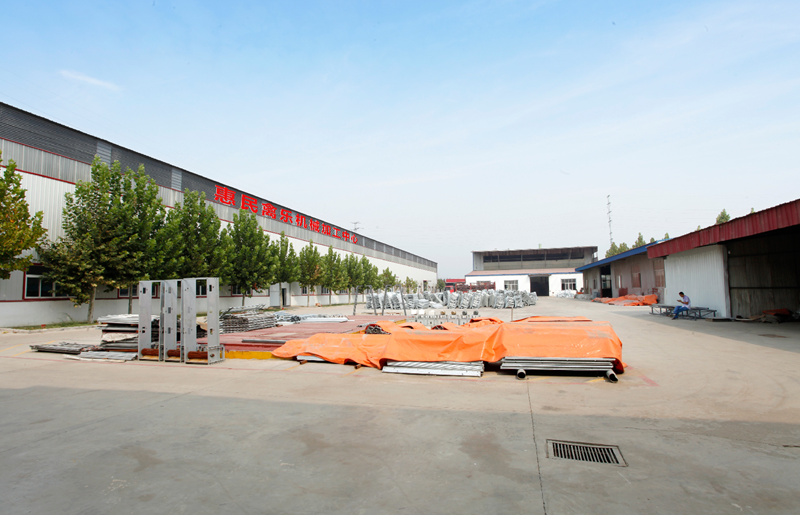
Located in Huimin County, Binzhou City, Shandong Province, China, the company has extensive experience in mechanical processing and manufacturing, as well as livestock machinery production and operation. With fixed assets of RMB 15 million, the company employs 160 people, including 30 R&D staff, and occupies a 40,000-square-meter factory. Equipped with over 110 pieces of advanced precision production equipment, including CNC machining centers and laser cutting machines, the company boasts a production capacity of RMB 50 million.
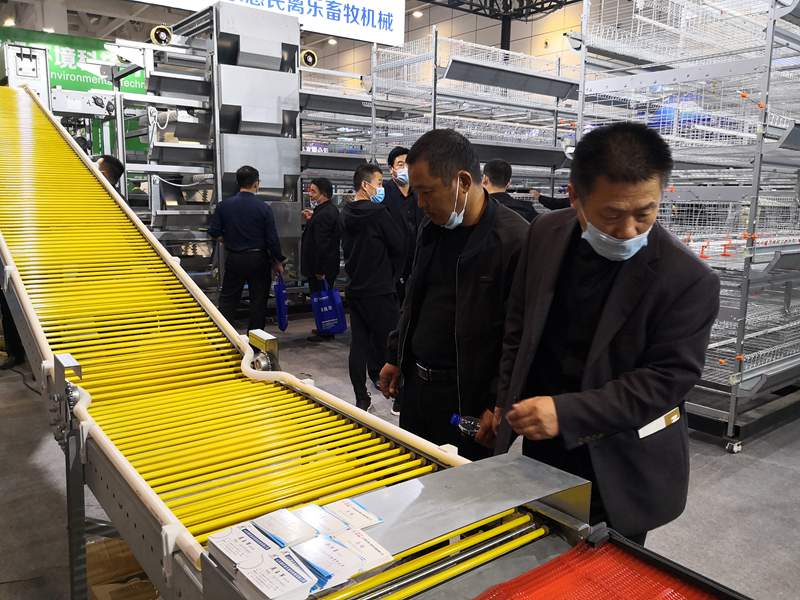
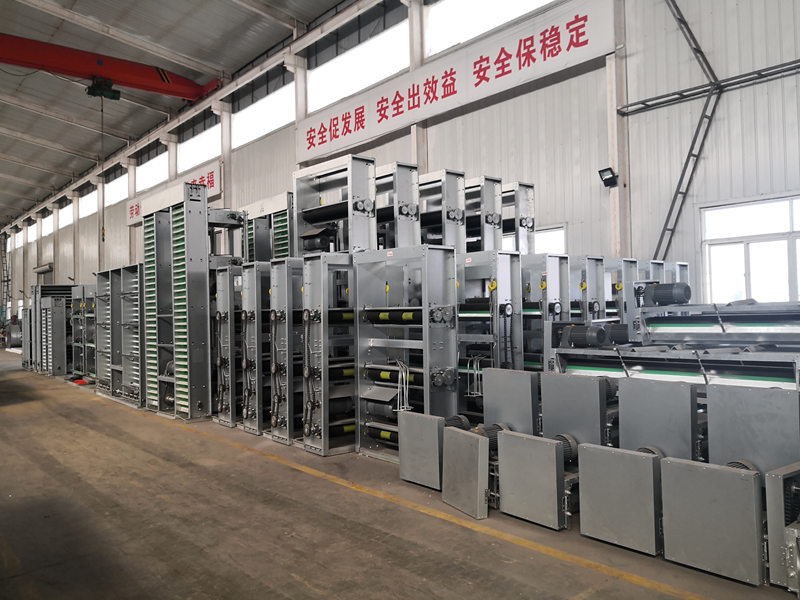
Chicken Farming Equipment Mesh Production Workshop

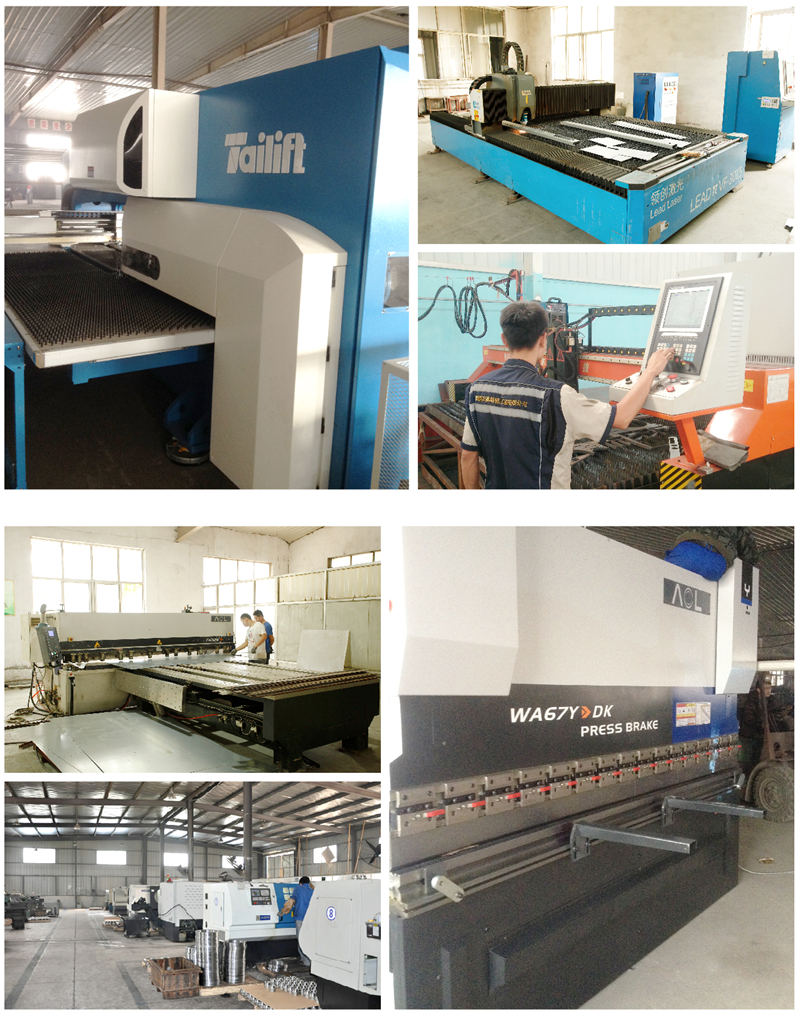
Machining Workshop
Turret-type CNC Punch Press, Laser Cutting and Other Machining Equipment
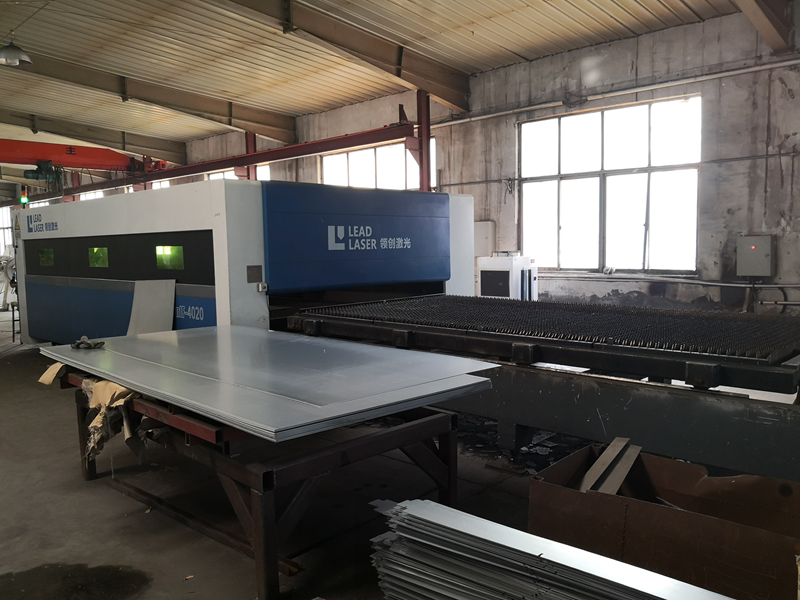

Fully Automated Roll Forming Production Line

Hot-dip Galvanizing Production Line

Electroplating Production Line
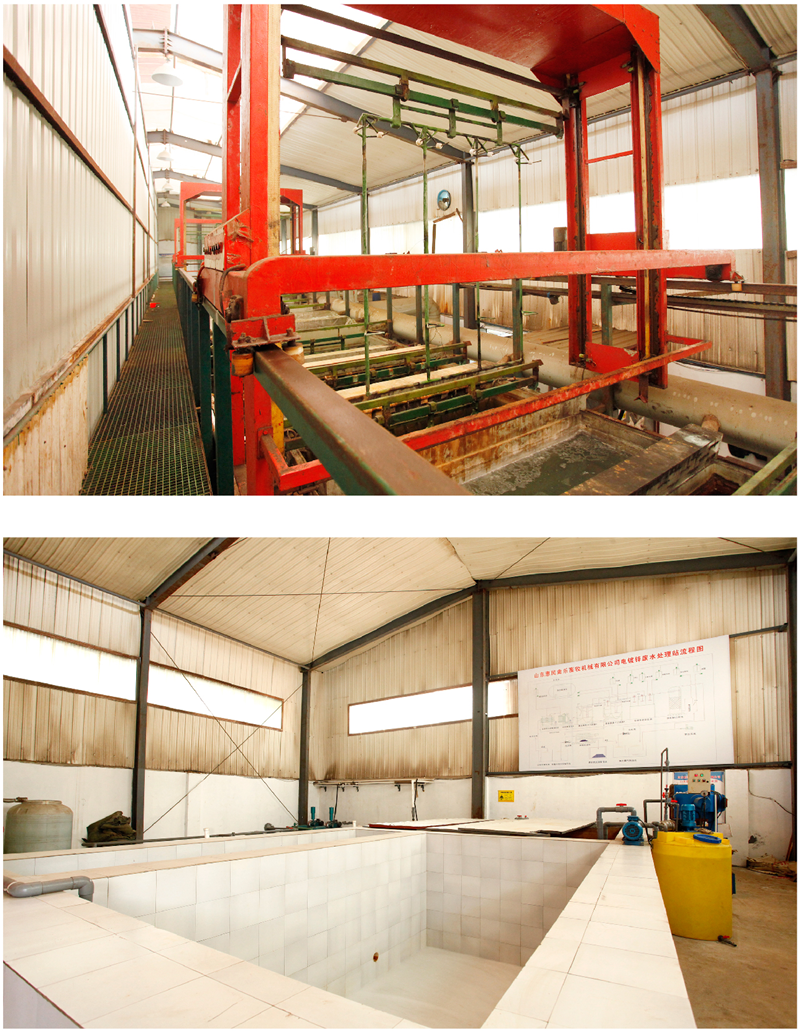
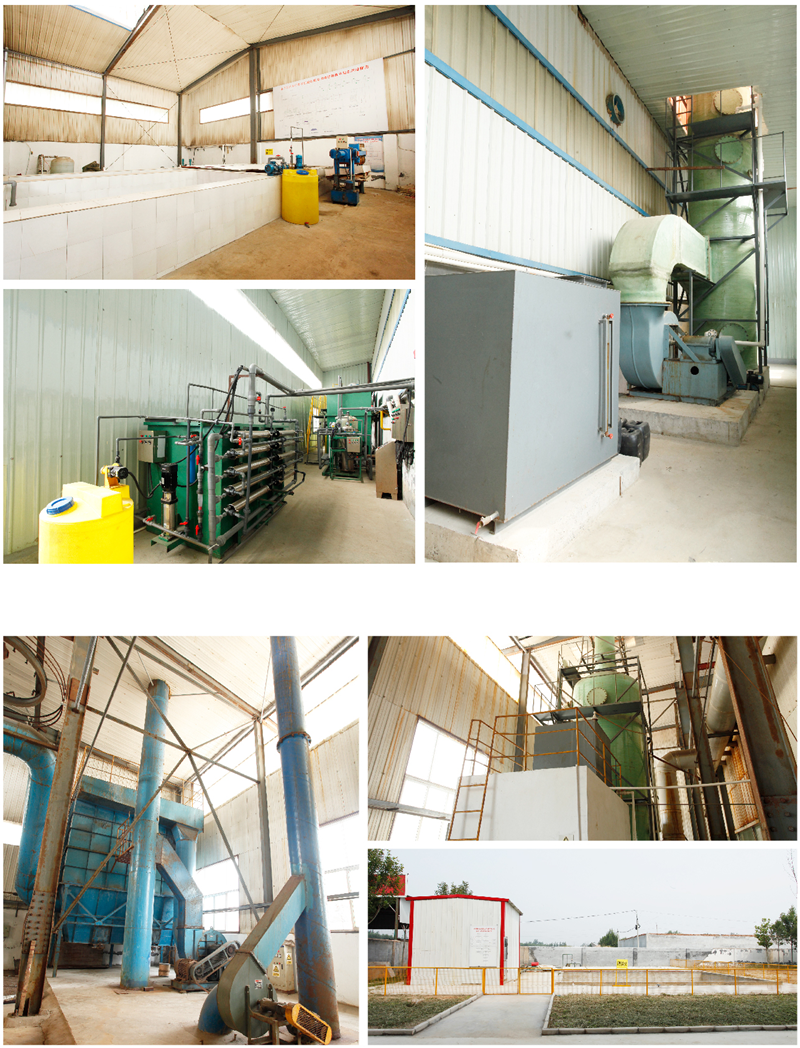
Environmental Protection Equipment
Chicken Farming Equipment Product Series
Egg-laying Hen Farming Equipment
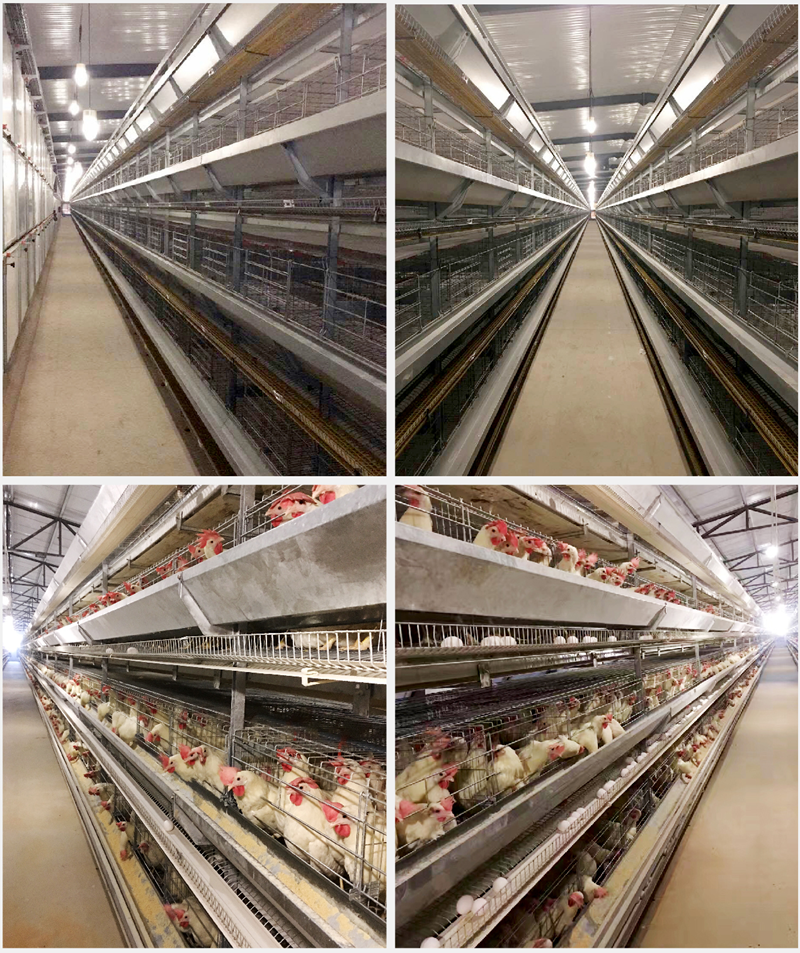
Stacked Brooding Cage Equipment

Stacked Broiler Cage Equipment
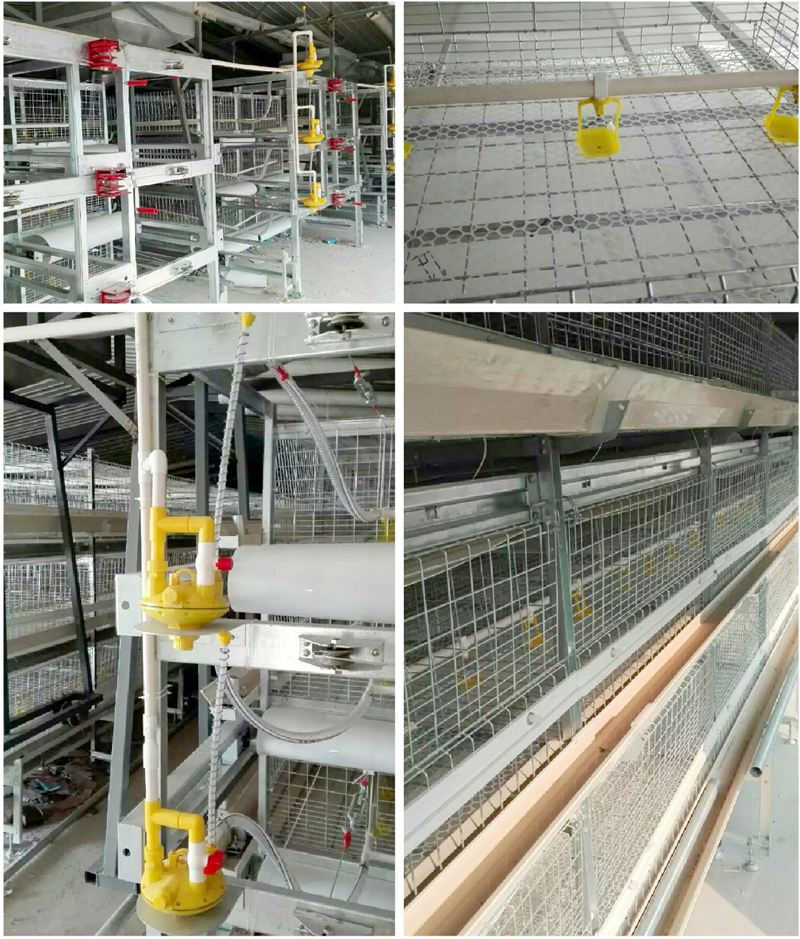
Stepped Layer Hen Cage Rearing Equipment
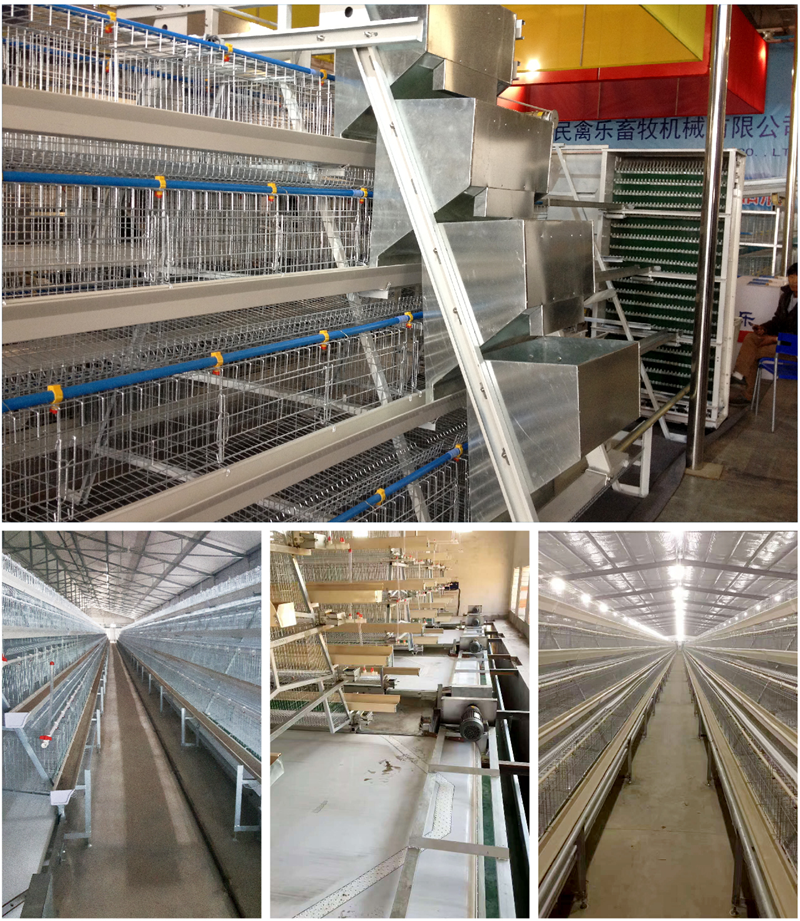
Automatic Egg Collection System
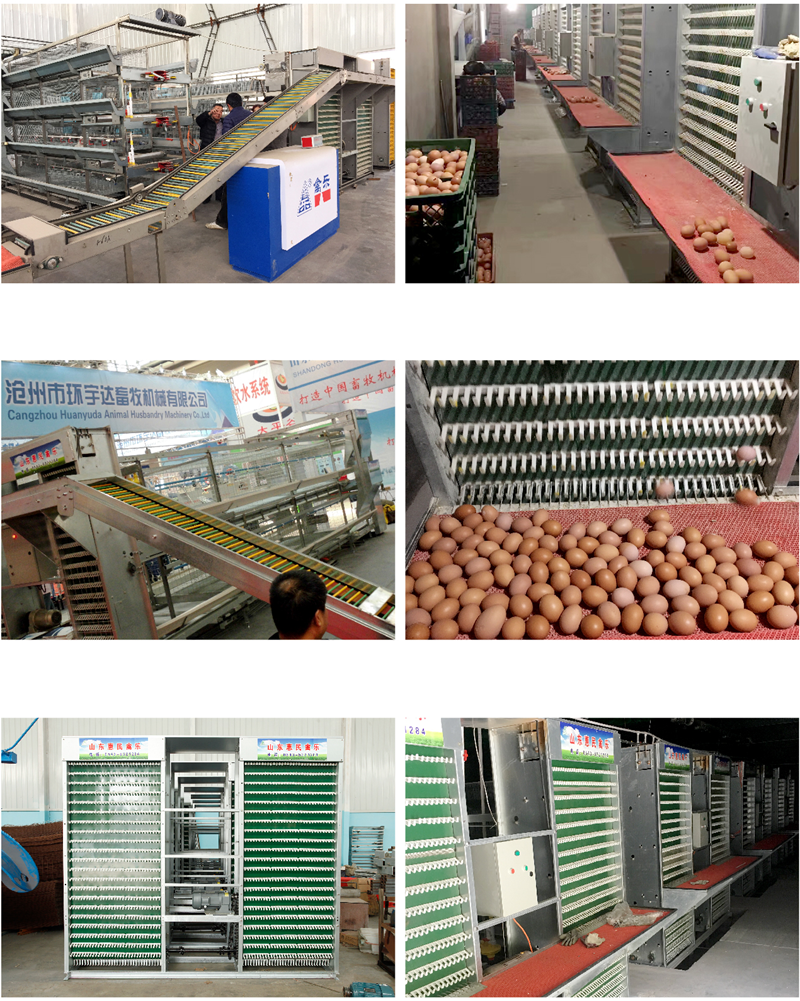
H-type Cage Feeding Machine
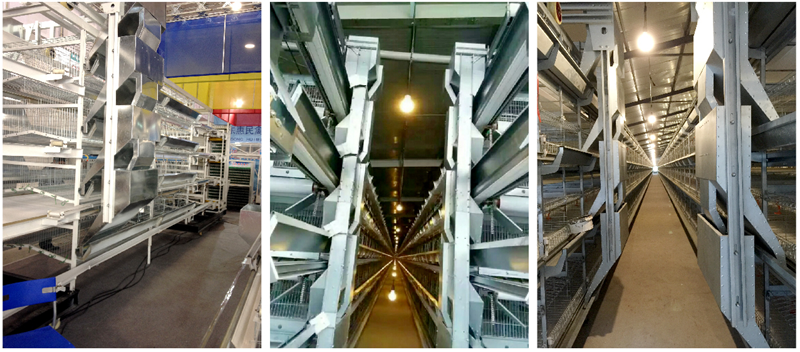
Stepped Cage Straddle Feeder
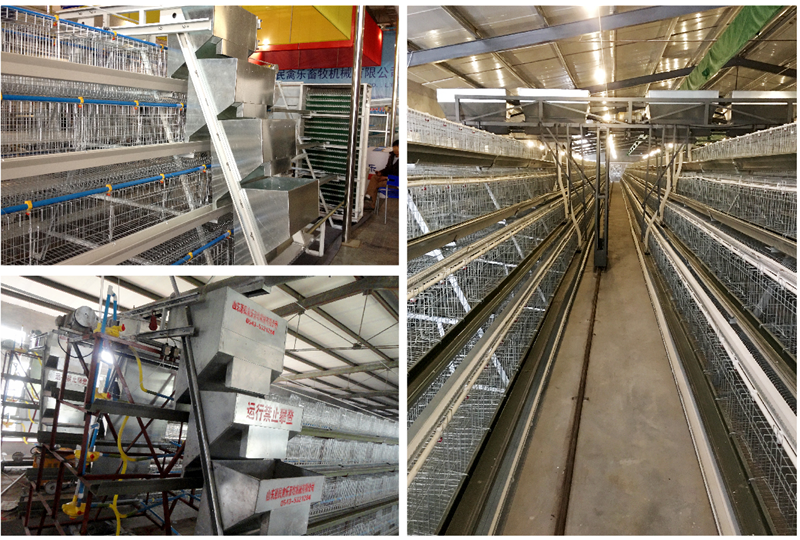
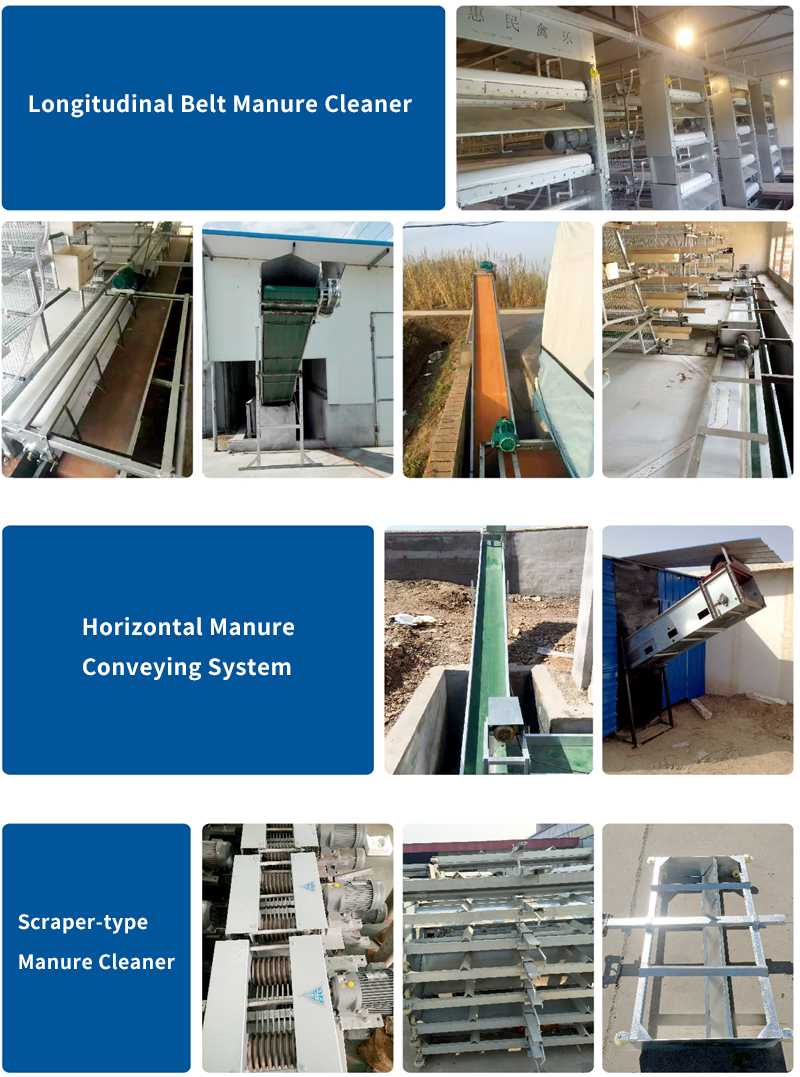
Manure Removal Machine
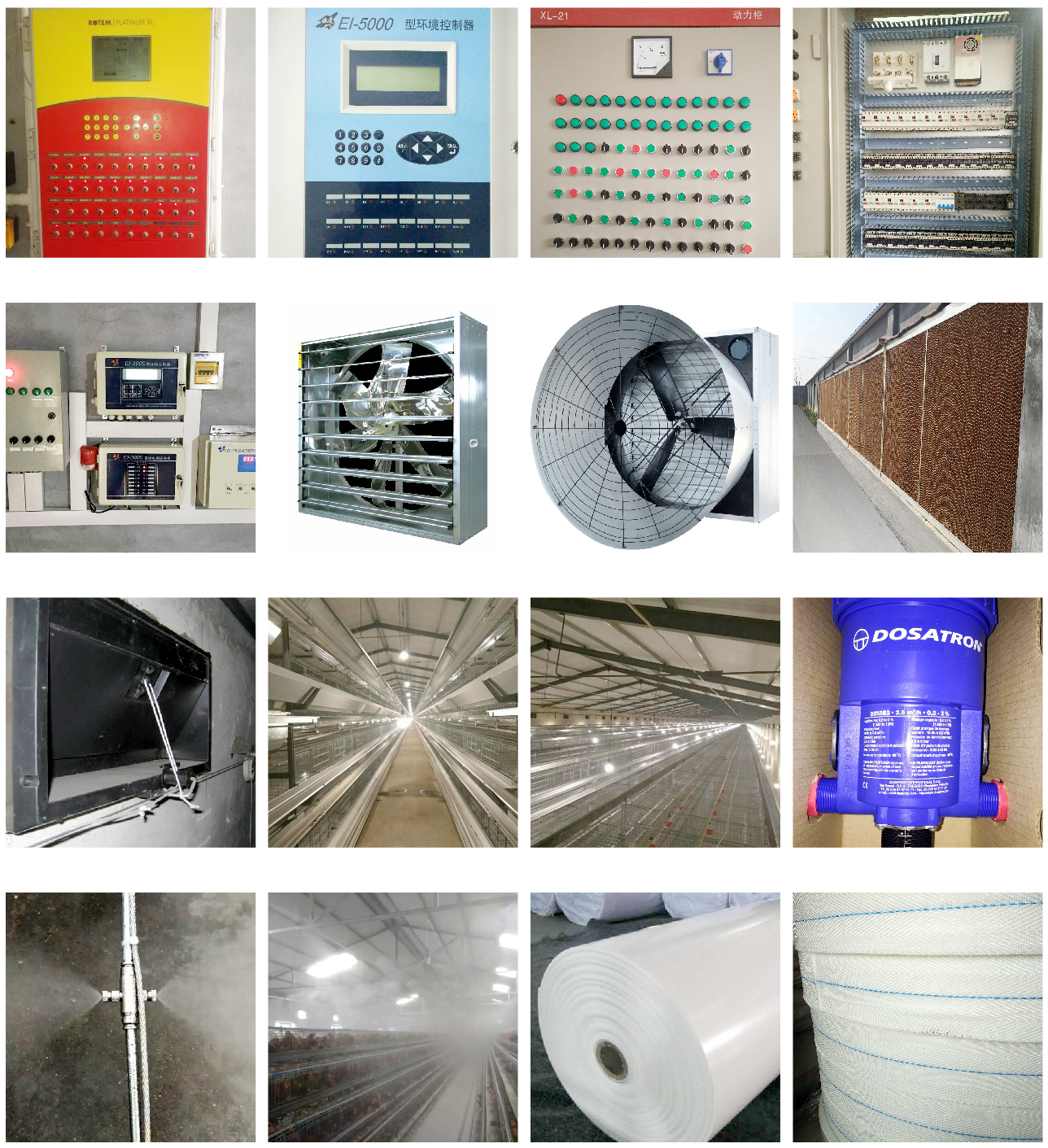
Fans, Heated Curtains, Environmental Control Systems, and Lighting Equipment
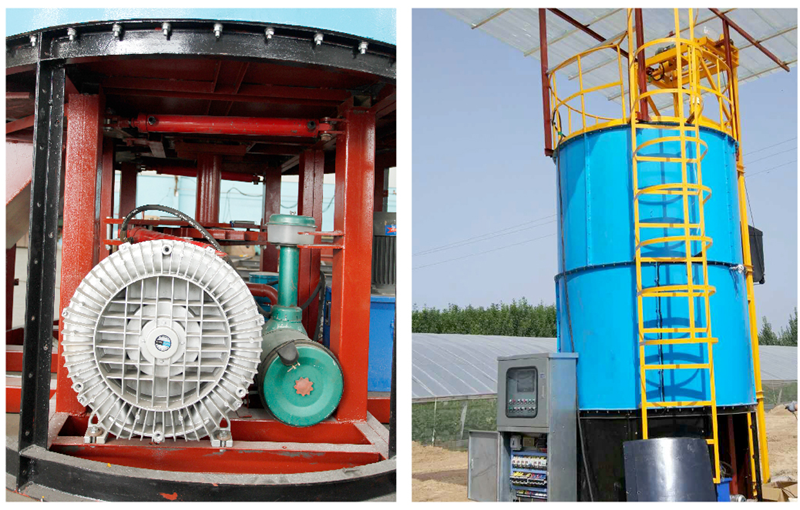
Complete Set of Equipment for Organic Fermentation Treatment of Manure
Ин вебсайт кукиҳоро истифода мебарад, то шумо таҷрибаи беҳтаринро дар вебсайти мо ба даст оред.
 English
 Pусский
 Français
 العربية
 Indonesia
 қазақ
қазақ o'zbek
 Кыргызча
 Türkmenler
 Catalogue



 Whatsapp
 Телефон