

1. Introduction to Poultry Feed Line
A Poultry Feed Line is a comprehensive production system designed to process raw agricultural materials into high-quality feed pellets specifically tailored for poultry such as chickens, ducks, turkeys, and quails. This system integrates several machines including crushers, mixers, pellet mills, coolers, conveyors, and packing machines to streamline the feed production process.
The poultry feed line plays a crucial role in modern poultry farming, where consistent feed quality directly impacts bird health, growth rates, egg production, and overall farm profitability. By using a fully integrated feed line, poultry farmers and feed manufacturers can efficiently produce balanced feed pellets that enhance feed conversion ratios and minimize wastage.
As global demand for poultry products grows, efficient Feed Production Lines have become essential for competitive poultry farming operations, enabling scalable production with reduced labor and operational costs.
2. Technical Parameters of Poultry Feed Line
2.1 Capacity and Size
Production Capacity | 1 ton/hour to 20 tons/hour |
Power Consumption | 22 kW to 250 kW |
Voltage | 380V / 400V / 415V, 50/60 Hz |
Pellet Diameter | 1.5 mm to 6 mm (customizable) |
Machine Weight | 1000 kg to 10,000 kg |
Layout Dimension | Varies by configuration, typically 20m x 5m or larger |
Automation Level | Semi-automatic to fully automatic PLC control |
2.2 Main Components
Crusher (Hammer Mill): Crushes raw materials into fine powder for mixing and pelleting.
Mixer: Ensures thorough blending of raw materials for consistent nutrition.
Pellet Mill: Compresses mixed feed into pellets of desired size and hardness.
Cooler: Lowers pellet temperature and moisture after pelleting to improve storage and quality.
Sieve or Screener: Removes fines and broken pellets.
Conveyor: Transports materials between machines efficiently.
Packing Machine: Automates bagging, weighing, and sealing of finished feed pellets.
Control System: PLC-based panel for monitoring and managing the entire line.
3. Key Features of Poultry Feed Line
3.1 Integrated Production Process
Combines all steps from raw material crushing, mixing, pelleting, cooling, screening to packaging, providing a one-stop feed production solution.
3.2 High Efficiency and Output
Capable of producing from 1 ton up to 20 tons of feed per hour, suitable for small farms to large commercial feed factories.
3.3 Uniform Pellet Quality
Advanced mixers and pellet mills ensure even ingredient distribution and pellet consistency.
3.4 Customizable Pellet Size
Interchangeable die plates allow pellets of various sizes (1.5mm – 6mm) to cater to different poultry species and growth stages.
3.5 Energy Saving
Optimized design and high-quality motors reduce power consumption by up to 30% compared to older systems.
3.6 Automated Operation
PLC control panels allow real-time monitoring, automated batching, and fault detection, reducing labor and human error.
3.7 Robust Construction
Made from food-grade stainless steel and durable carbon steel components ensuring long-term durability and hygiene.
3.8 Dust and Noise Control
Incorporates dust collection and noise-reduction technology to maintain a clean and safe working environment.
4. Advantages of Using a Poultry Feed Line
4.1 Cost-Effective Feed Production
On-site feed manufacturing reduces costs associated with purchasing commercial feed and transportation.
4.2 Improved Poultry Health and Productivity
Balanced, high-quality pellets enhance feed conversion ratio, growth rate, and egg production.
4.3 Reduced Feed Waste
Pelleted feed reduces dust and spillage, maximizing feed utilization.
4.4 Scalability and Flexibility
Modular design allows expansion or customization based on production needs.
4.5 Enhanced Biosecurity
Control over raw materials and processing reduces contamination risk.
4.6 Lower Labor Costs
Automation reduces manual labor and increases production efficiency.
5. Application Scenarios
5.1 Poultry Farms
Large and small poultry farms use feed lines to produce daily feed for broilers, layers, breeders, and other poultry species.
5.2 Feed Manufacturing Plants
Commercial feed producers use poultry feed lines for mass production and distribution.
5.3 Agricultural Cooperatives
Shared feed lines serve multiple small farms in rural communities.
5.4 Research Institutes
Used in feed formulation and nutritional research for poultry.
5.5 Integrated Farms
Combined crop and poultry farms produce their own feed to reduce costs.
6. Usage Instructions for Poultry Feed Line
6.1 Pre-Operation Setup
Inspect all components for damage or wear.
Check electrical connections and lubrication points.
Prepare raw materials by cleaning and pre-sizing.
Set parameters on PLC control panel based on feed formula and pellet size.
6.2 Operating Procedure
Start the crusher to grind raw materials.
Transfer crushed material to the mixer for blending.
Feed mixed material into pellet mill and monitor pellet quality.
Cool pellets through cooler to reduce moisture and temperature.
Screen pellets to remove fines.
Convey finished pellets to packing machine for bagging.
6.3 Shutdown Procedure
Stop feeding raw materials.
Run the system empty to clear residues.
Turn off power supply.
Clean all equipment and perform routine maintenance.
7. Maintenance and Troubleshooting
7.1 Daily Maintenance
Clean feed inlet/outlet and pellet mill surfaces.
Inspect belts and replace if worn.
Lubricate bearings and moving parts.
7.2 Weekly Maintenance
Check mixer blades and clean thoroughly.
Inspect pellet die and rollers for wear.
Clean dust collectors.
7.3 Monthly Maintenance
Check motor and gearbox condition.
Tighten bolts and fasteners.
Test control panel and sensors.
7.4 Common Problems and Solutions
Pellets too soft or brittle | Incorrect moisture or roller pressure | Adjust moisture and roller settings |
Machine overheating | Overload or poor lubrication | Reduce load and lubricate properly |
Feed blockage | Raw materials too coarse or moist | Grind and dry materials |
Inconsistent pellet size | Die wear or uneven mixing | Replace die and check mixer settings |
8. Frequently Asked Questions (FAQs)
Q1: What raw materials can be processed by the poultry feed line?
Corn, soybean meal, wheat bran, rice bran, vitamins, minerals, and additives.
Q2: Can the pellet size be customized?
Yes, pellet sizes from 1.5 mm to 6 mm can be produced by changing die plates.
Q3: What is the power consumption?
Power ranges from 22 kW to 250 kW depending on capacity.
Q4: Is the poultry feed line suitable for small farms?
Yes, smaller capacity lines are available for small and medium farms.
Q5: Does the system support automation?
Yes, most systems come with PLC control panels and optional automated feeders.
Q6: How often should the pellet die be replaced?
Typically every 6-12 months, depending on usage and raw materials.
9. Conclusion
A Poultry Feed Line is an essential investment for modern poultry farms and feed manufacturers aiming to produce high-quality, balanced feed pellets efficiently and cost-effectively. With a fully integrated system, producers can ensure consistent feed quality, reduce waste, and increase overall farm productivity. Whether for small farms or large industrial operations, poultry feed lines provide scalable and flexible solutions to meet diverse poultry nutrition needs.
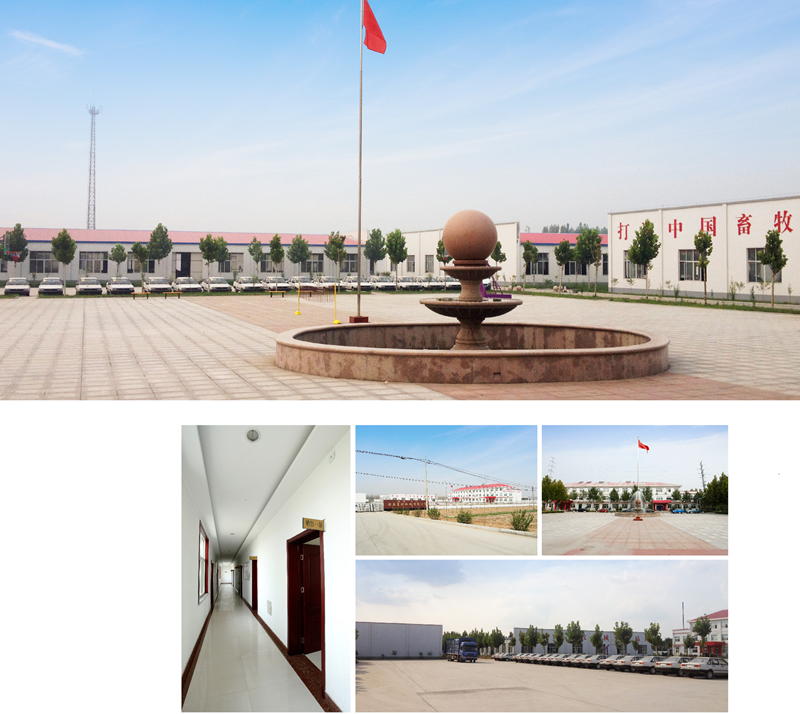
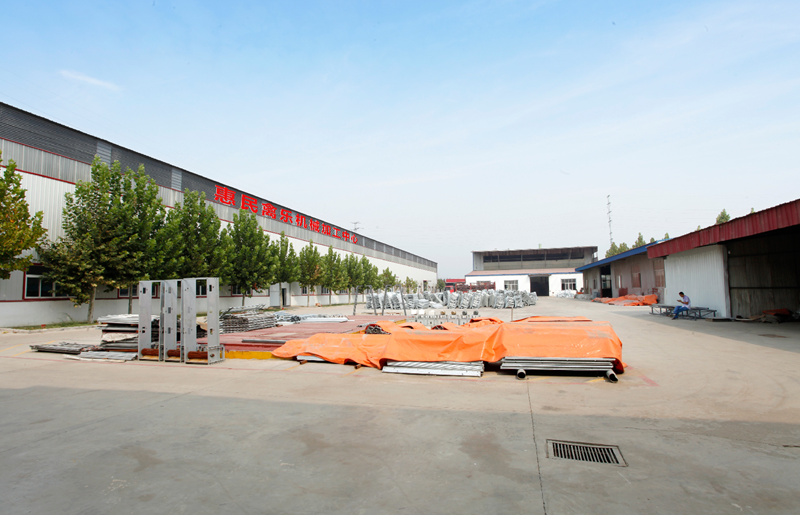
Shandong Huimin Qinle Livestock Machinery Co., Ltd. (formerly Shandong Huimin Qinle Livestock Machinery Factory) is a professional poultry equipment manufacturer with over 20 years of experience. We offer a comprehensive service package, from design (land and chicken coops), production (equipment and prefabricated steel coops), installation, commissioning, customer training, and after-sales service.
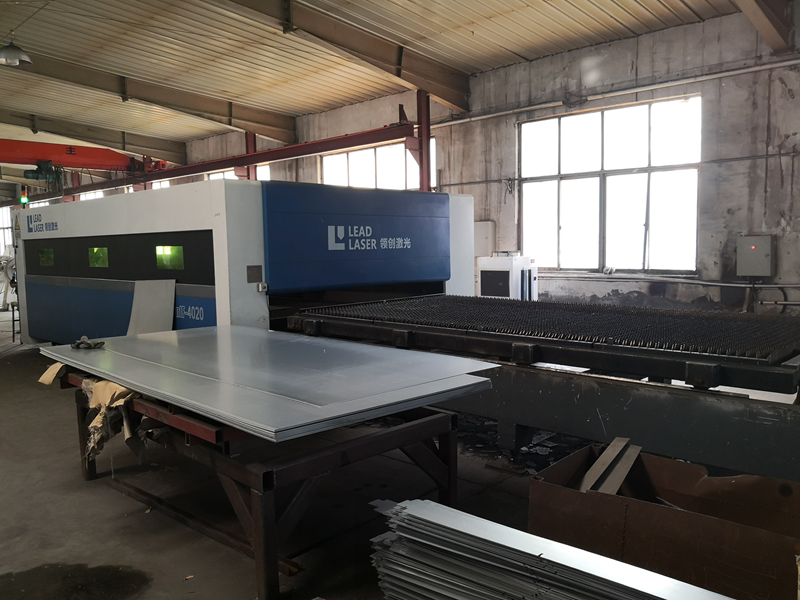
Located in Huimin County, Binzhou City, Shandong Province, China, the company has extensive experience in mechanical processing and manufacturing, as well as livestock machinery production and operation. With fixed assets of RMB 15 million, the company employs 160 people, including 30 R&D staff, and occupies a 40,000-square-meter factory. Equipped with over 110 pieces of advanced precision production equipment, including CNC machining centers and laser cutting machines, the company boasts a production capacity of RMB 50 million.
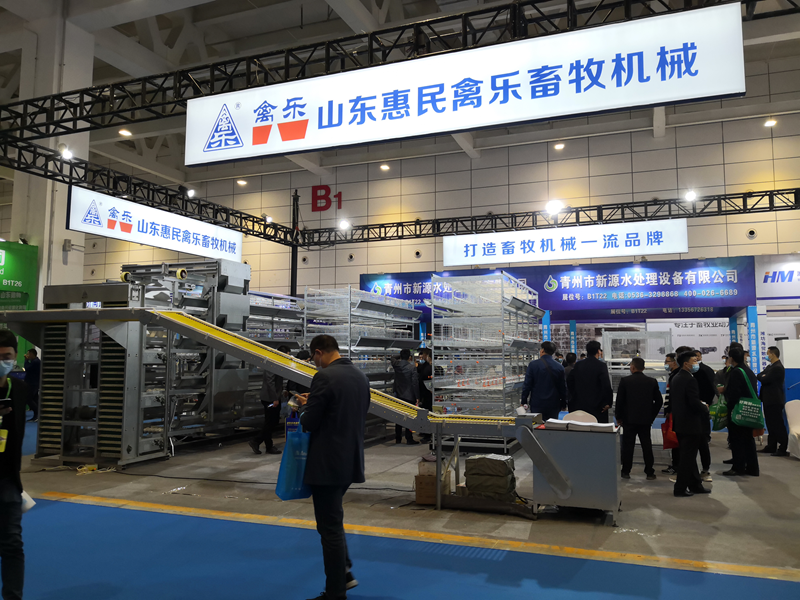
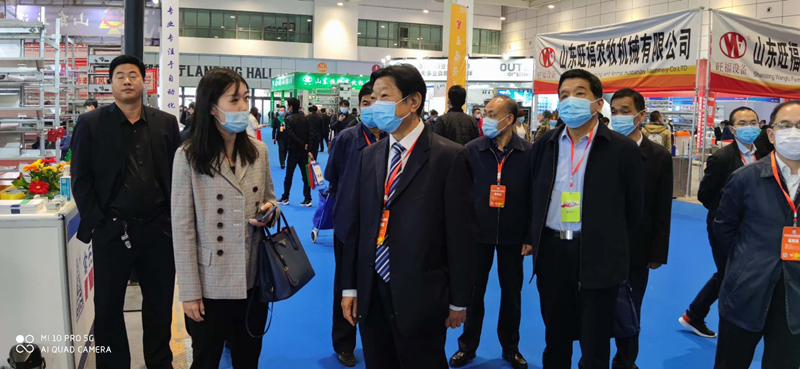
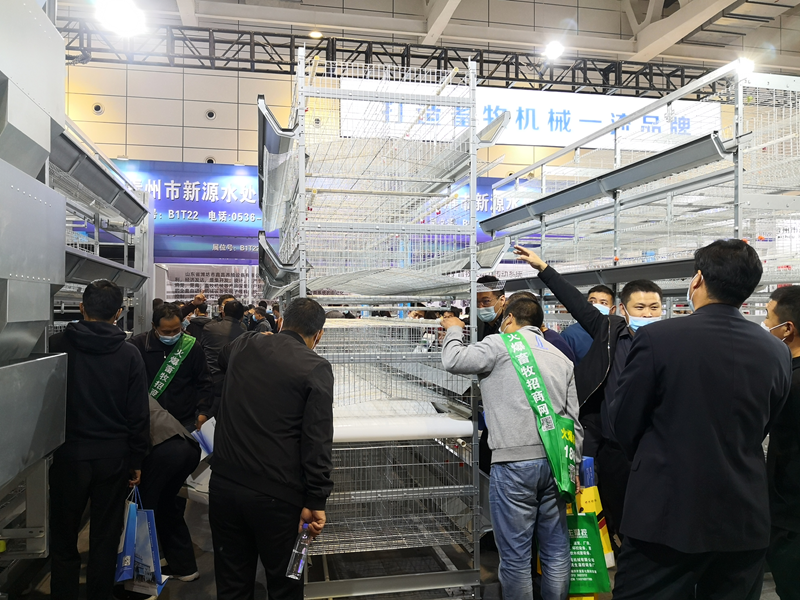
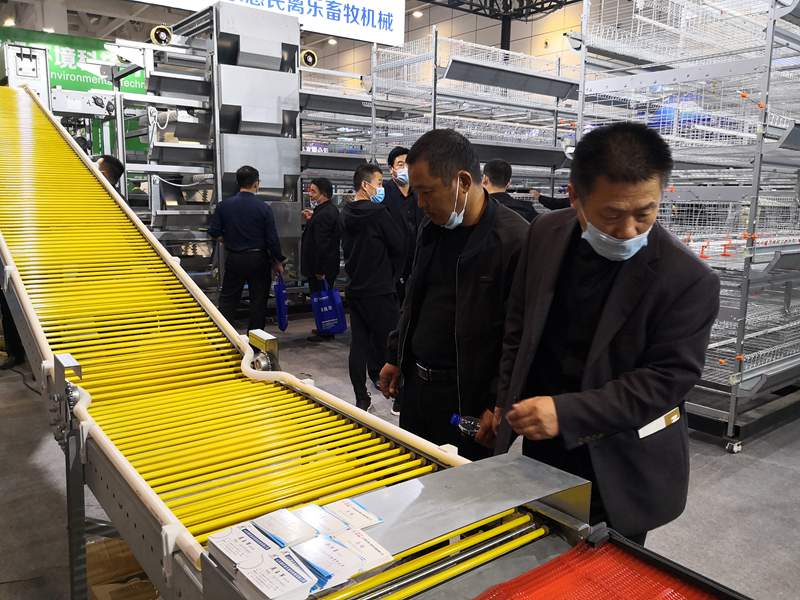
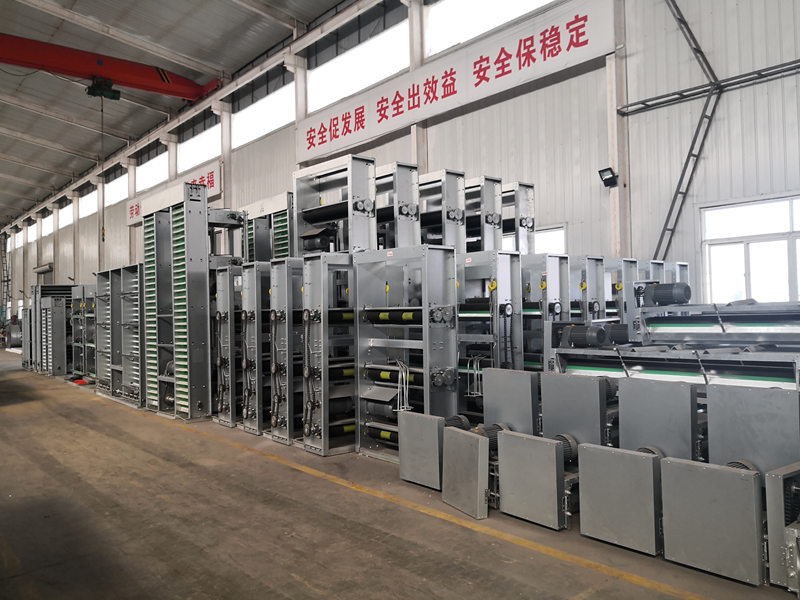
Chicken Farming Equipment Mesh Production Workshop

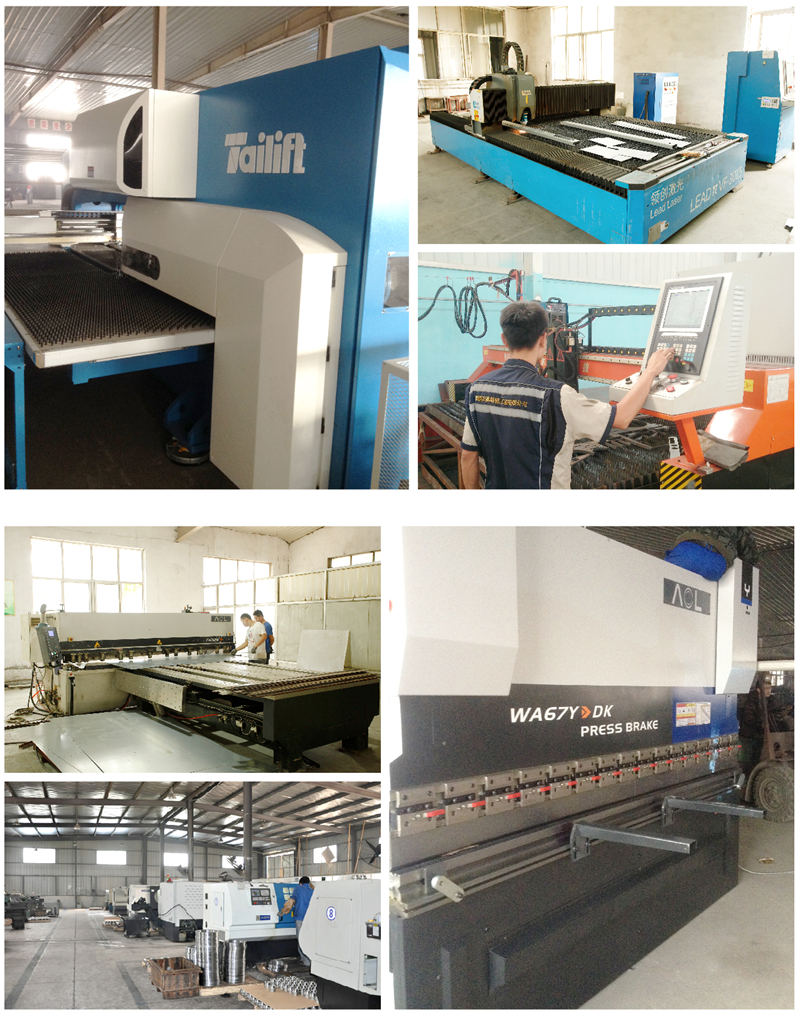
Machining Workshop
Turret-type CNC Punch Press, Laser Cutting and Other Machining Equipment

Fully Automated Roll Forming Production Line

Hot-dip Galvanizing Production Line

Electroplating Production Line
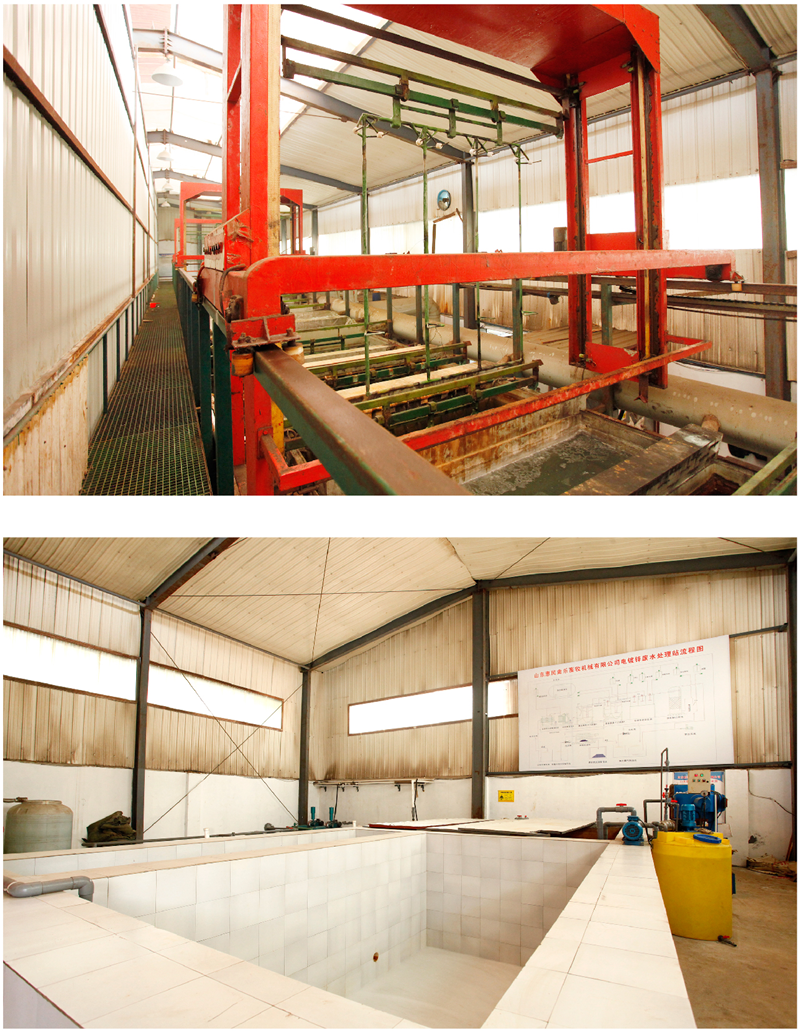
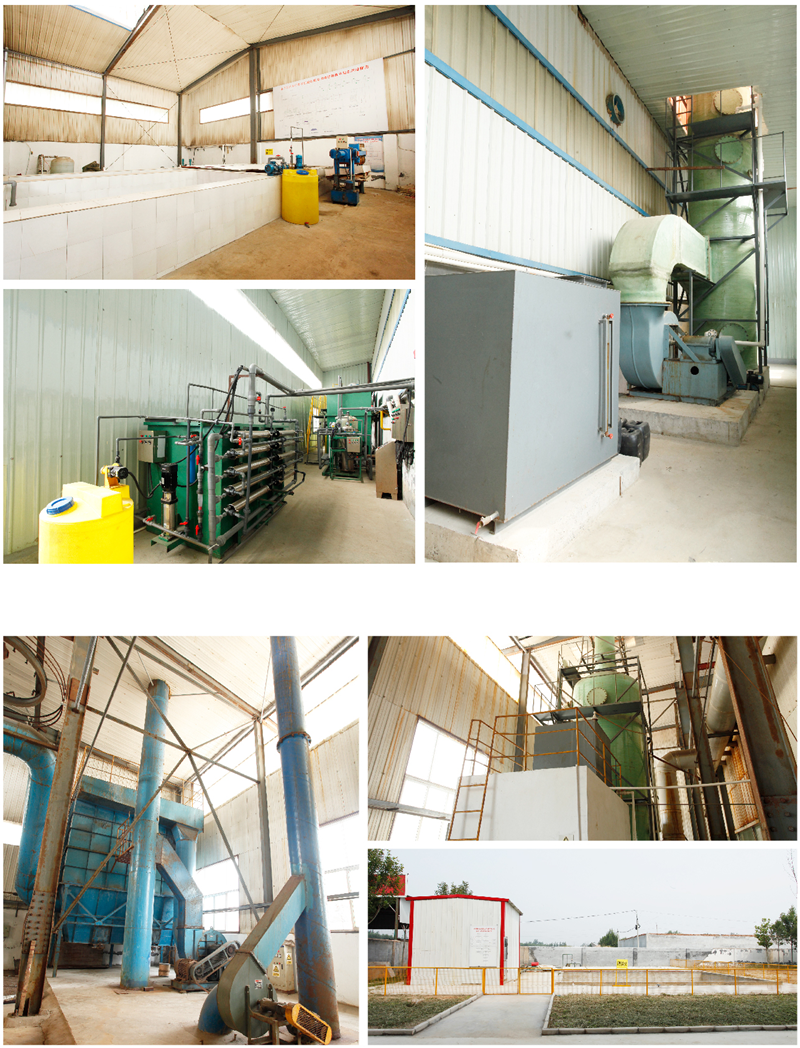
Environmental Protection Equipment
Chicken Farming Equipment Product Series
Egg-laying Hen Farming Equipment
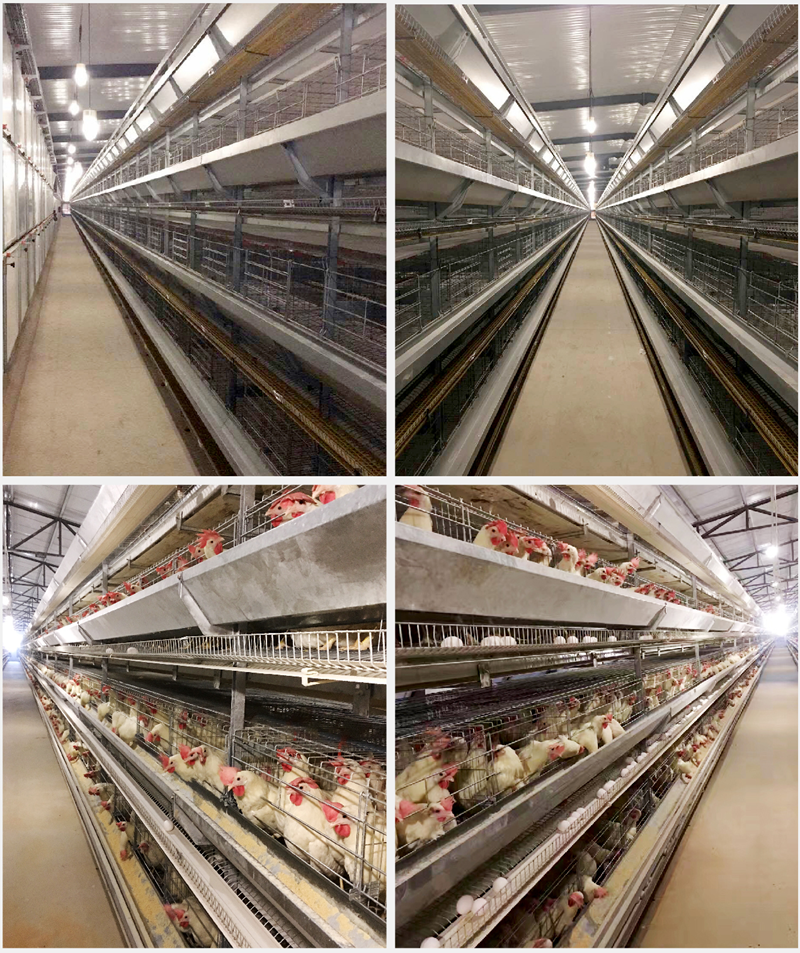
Stacked Brooding Cage Equipment

Stacked Broiler Cage Equipment
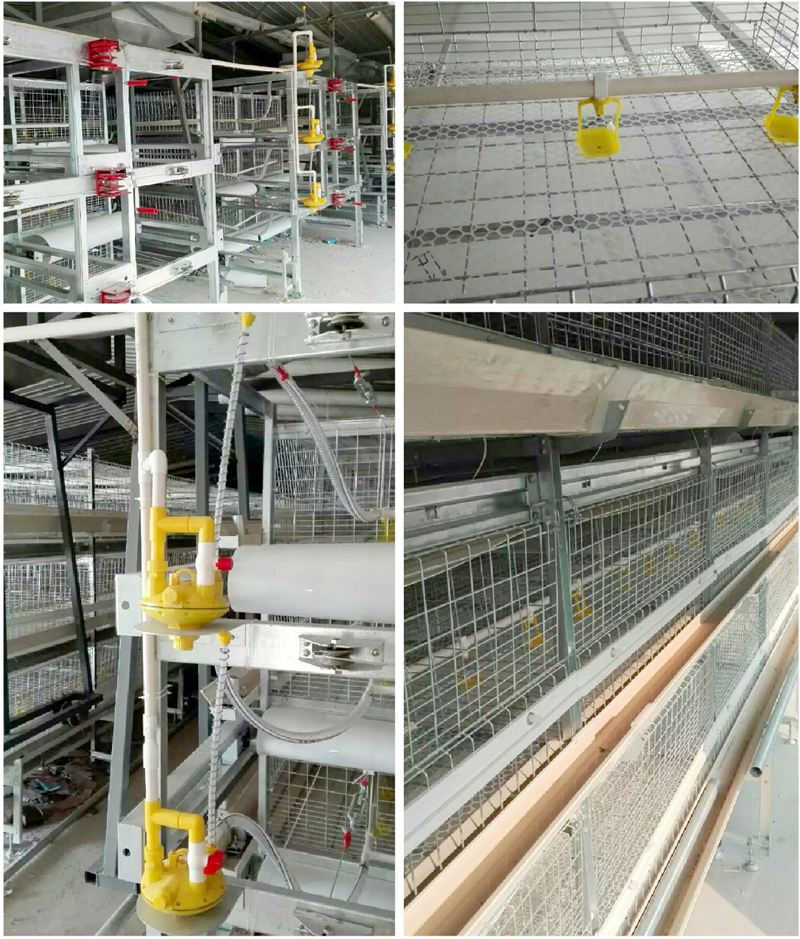
Stepped Layer Hen Cage Rearing Equipment
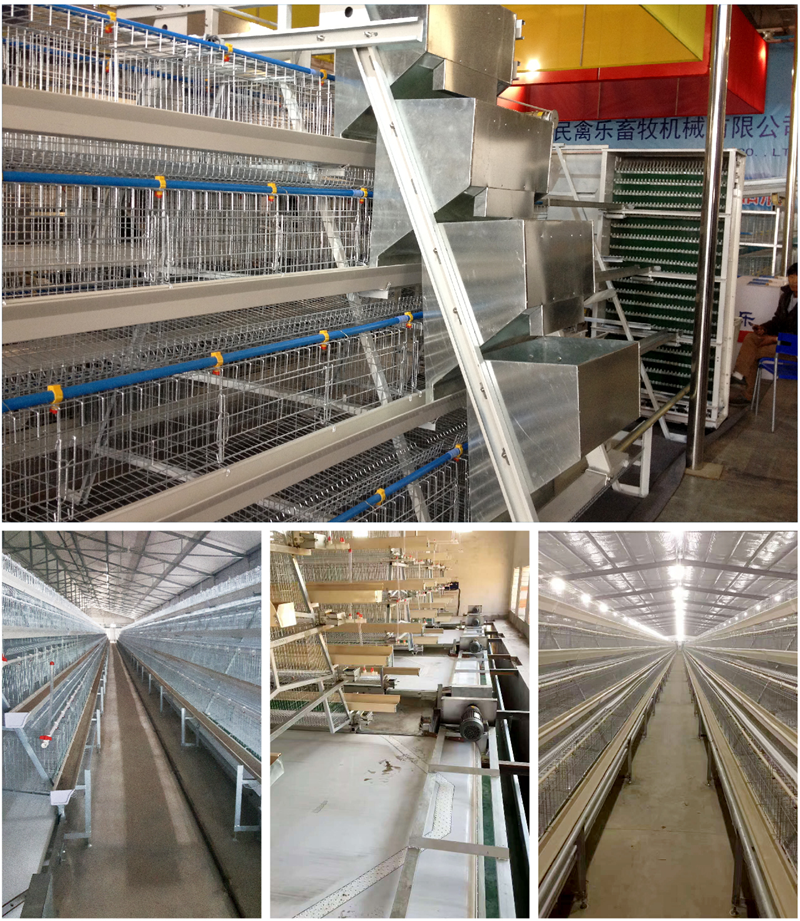
Automatic Egg Collection System
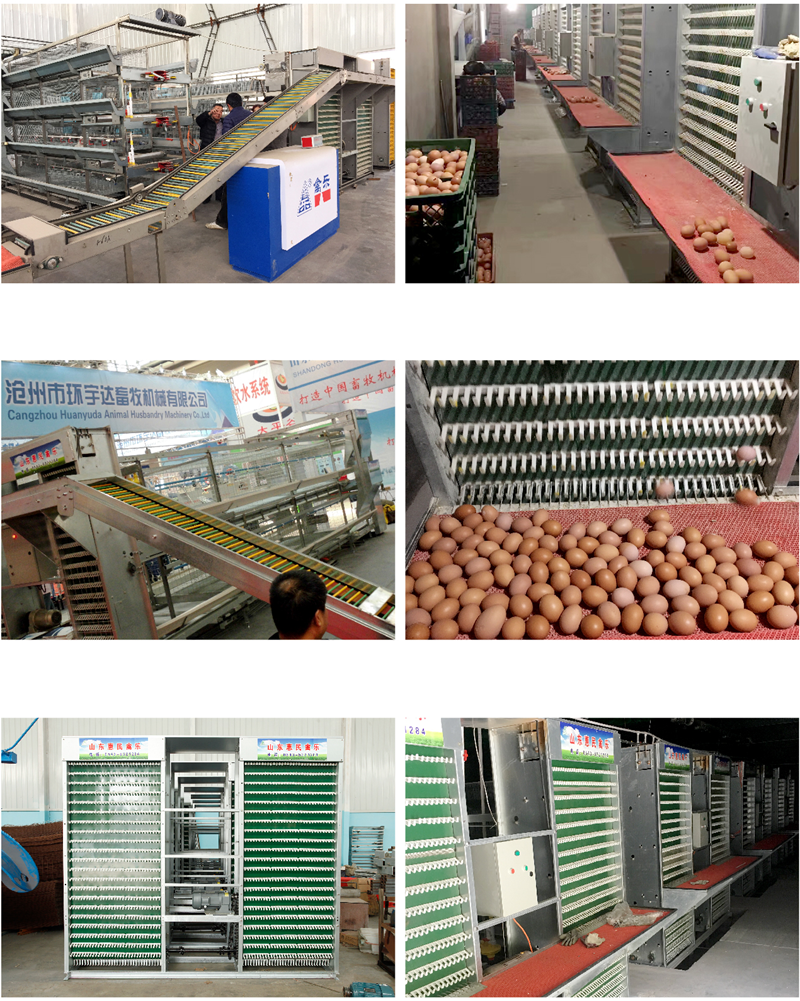
H-type Cage Feeding Machine
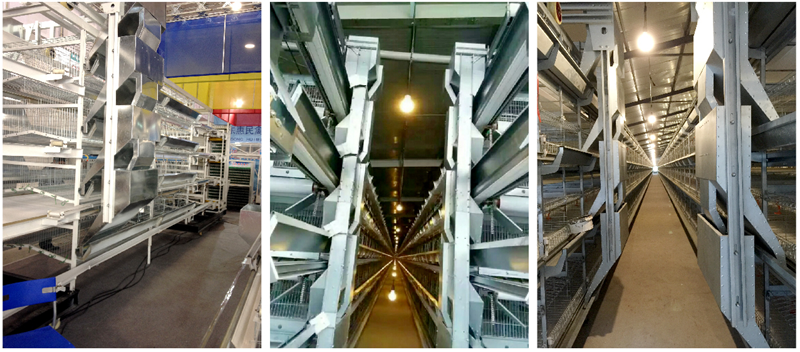
Stepped Cage Straddle Feeder
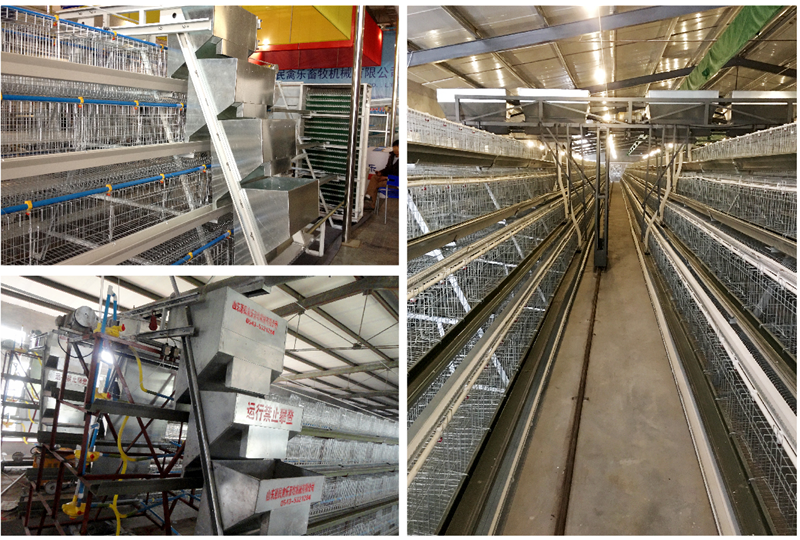
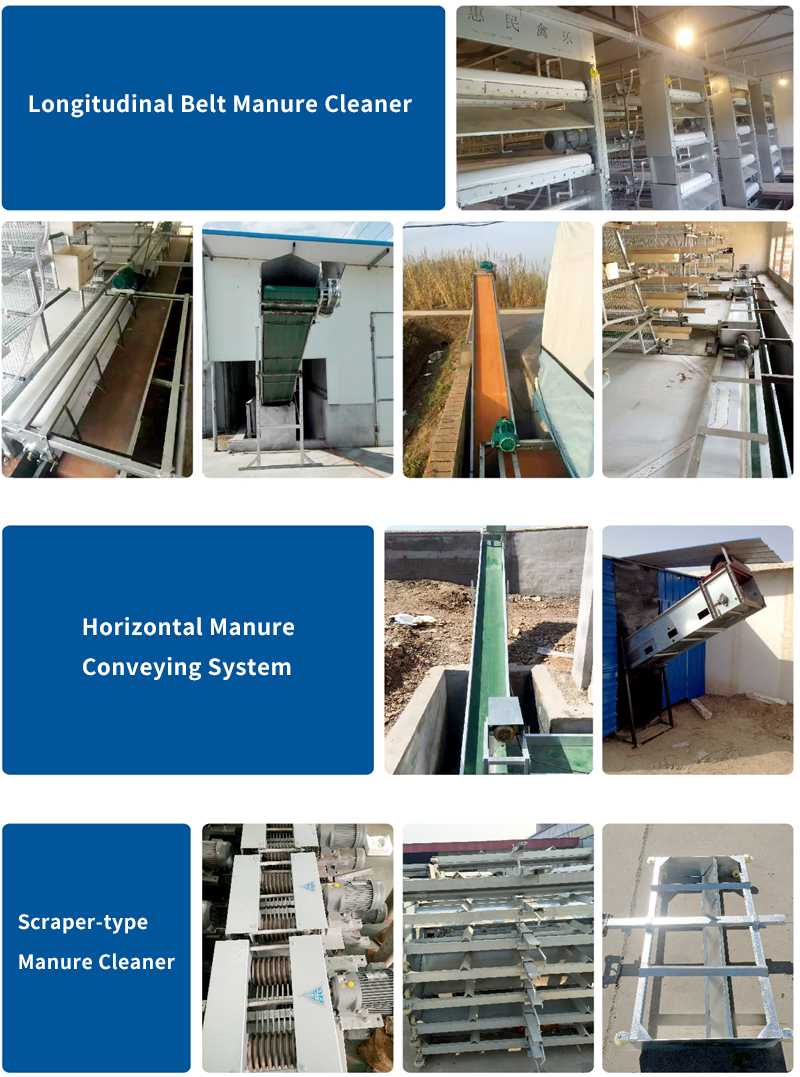
Manure Removal Machine
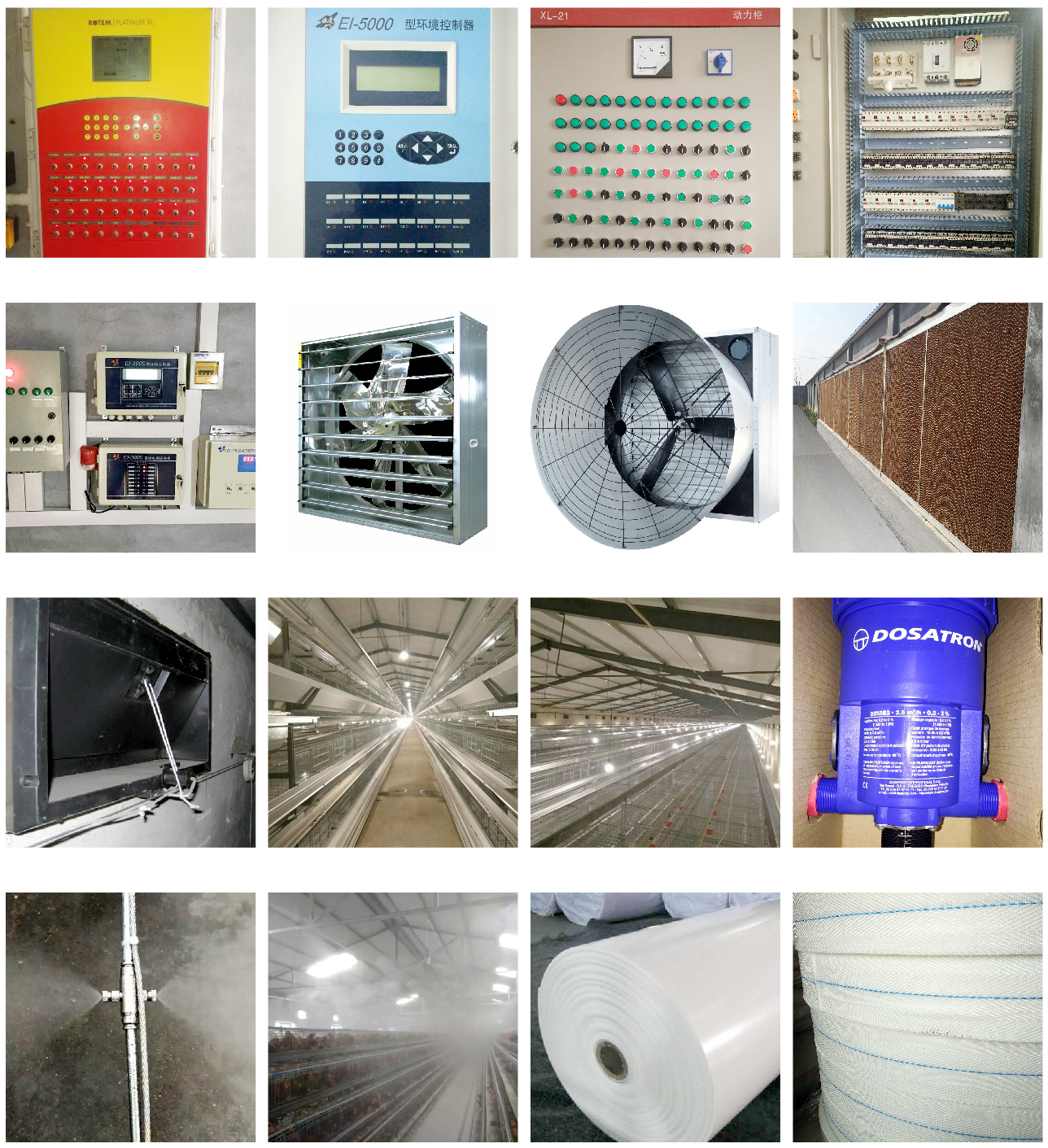
Fans, Heated Curtains, Environmental Control Systems, and Lighting Equipment
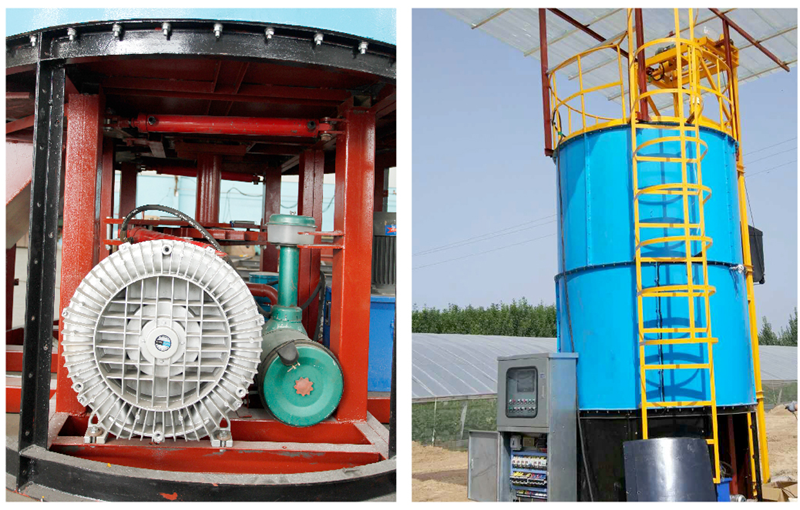
Complete Set of Equipment for Organic Fermentation Treatment of Manure
Ин вебсайт кукиҳоро истифода мебарад, то шумо таҷрибаи беҳтаринро дар вебсайти мо ба даст оред.
 English
 Pусский
 Français
 العربية
 Indonesia
 қазақ
қазақ o'zbek
 Кыргызча
 Türkmenler
 Catalogue



 Whatsapp
 Телефон